
Traffic Warrants in Lee County
A traffic citation in Lee County gets filed with the Iowa District Court clerk. The person cited can pay, enter a plea, ask about a payment plan, or appear as the ticket directs. Skipping a required appearance on purpose is different. Iowa Code sections 804.1(4) and 805.5 back an arrest warrant for failure to appear. From there the warrant and the original citation move through the clerk and the issuing agency. Iowa uses the term warrant, not capias. An unpaid balance alone proves no warrant. A payment screen, in turn, does not prove recall. Bring Lee County traffic warrant questions to the court and the agency handling enforcement.
Lee County Traffic Warrant Search Fields
The Iowa Courts Online docket accepts a county plus a case number, a citation number, or the charged person's name. A ticket number sorts people apart best. Pick Lee County and the traffic category. Then read the entries for the citation, appearances, failure to appear, any warrant or order, bond, payment, return, recall, and disposition.
| Input | Use |
|---|---|
| County | Select Lee for the filing context. |
| Charge type | Select traffic. |
| Case or citation number | Use the exact printed number. |
| Name | Use if the number is unknown, then verify identity. |
How to Check for a Traffic Warrant
Lee County runs no separate traffic-warrant portal. Use every public channel and confirm directly with the court, especially if a new ticket is missing or its status is unclear.
- Search Iowa Courts Online by Lee County and case, citation, or name.
- Call Lee North at 319-372-3523 or Lee South at 319-524-2433 based on venue.
- Ask whether the docket shows an active FTA warrant, appearance, debt, bond, and recall instructions.
- If directed, call the sheriff at 319-372-1152, jail at 319-376-2355, or non-emergency dispatch at 319-372-1310 before appearing.
If the docket is not enough, a narrow records request to the Lee County sheriff is another route. It can pull records, but it cannot recall a warrant.
Lee County Traffic Warrants May Post Late
The Iowa Judicial Branch warns that a citation can take 10 to 14 days or longer to appear, especially after a weekend or holiday. A blank result proves nothing. No Lee County traffic warrant can be ruled out from it. Hold onto the ticket. Then call the clerk if the citation stays missing past that posting window. Give the agency, the date, the citation number, and your name exactly as printed. Ask about the original allegation and any FTA together. Section 805.5 lets both be heard and disposed of together after an arrest. Neither issue gets dropped.
What a Traffic Warrant Shows
Iowa's public docket promises no single uniform traffic-warrant result. Read what appears as a case history, and ask the Lee County clerk to explain any unclear terms.
| Case or Citation Number | The printed identifier, shown as exact docket number. |
|---|---|
| Charge or Reason | The traffic allegation and public FTA event. |
| Issuing Court | Lee North or Lee South within Iowa District Court. |
| Bond or Debt | An amount or condition if public, subject to confirmation. |
| Status Events | Issue, return, payment, recall, quash, or disposition when public. |
Sealed, juvenile, and investigative records may be restricted in Lee County, and public data can lag the current enforcement status.
Lee County Traffic Warrant Court Routes
Fort Madison tickets generally go to the Lee North clerk. Keokuk matters usually land in Lee South. The docket controls. West Point, Donnellson, Montrose, and rural citations also enter district court rather than a separate city traffic court. The official Keokuk Police page names a city agency that may issue citations.
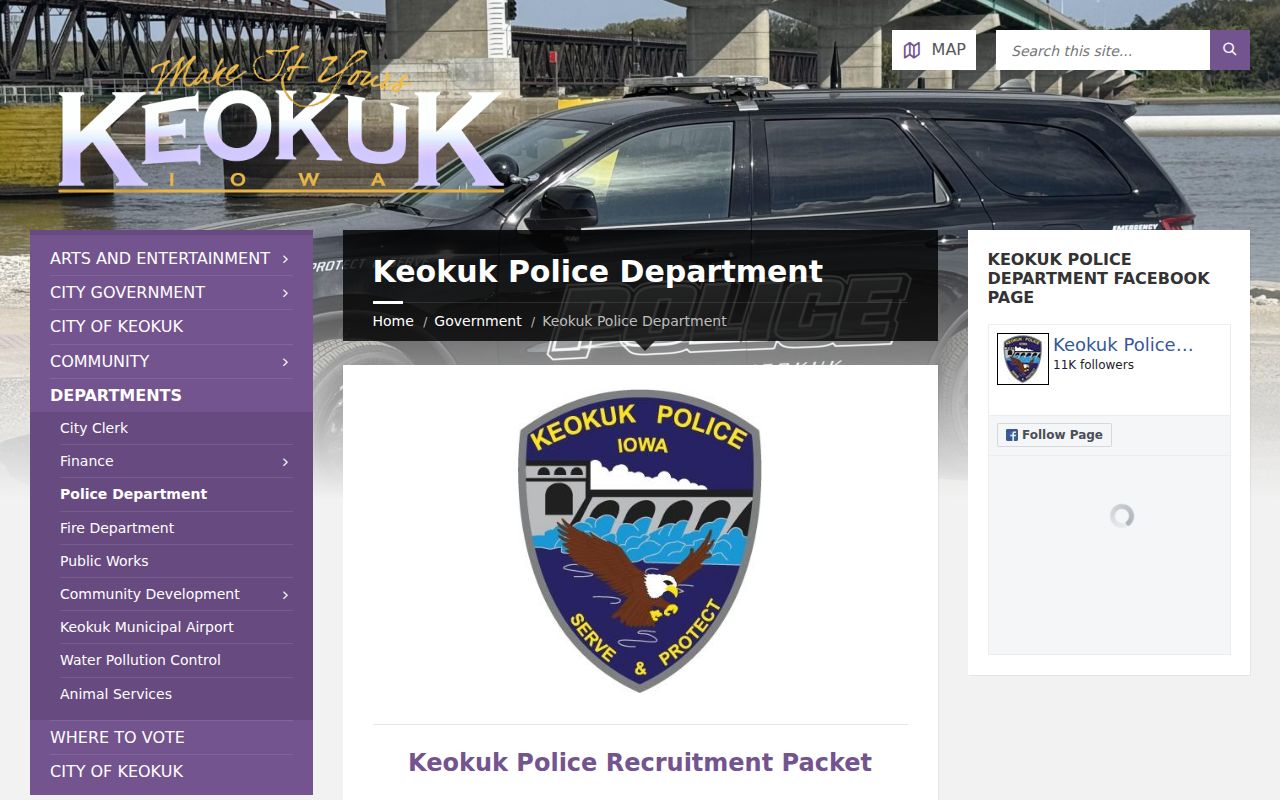
The case file sits on the Lee South docket, so Lee County's court records, not any city warrant database, are the authoritative place to check.
The West Point Police page lists local contacts and its sheriff fallback.
That contact helps with agency routing while the district-court clerk confirms warrant status.
Paying or Lifting a Traffic Warrant
Start by asking the Lee County clerk what the court requires: payment, a new date, a motion, an appearance, counsel, bond, or surrender. Judicial Branch guidance allows payment online, by mail, at the clerk's counter, or through the court-debt phone center in eligible matters. Paying may count as a guilty plea. If an appearance is required, payment alone does not remove it.
- Identify the docket and confirm that the warrant is active.
- Follow the court’s payment, plan, appearance, motion, or counsel direction.
- Call the jail before surrender and ask about booking, identification, and bond rules.
- Obtain a receipt or order and confirm status with the clerk and enforcement agency.
Warning: Payment does not prove recall; obtain a docket entry or direct clerk confirmation before relying on the change.
Lee County Traffic Warrant Agency Fallbacks
City police in Lee County can tell you which agency issued the citation, yet they cannot confirm a warrant the way the court can.
The Fort Madison Police page posts its public contact channel.
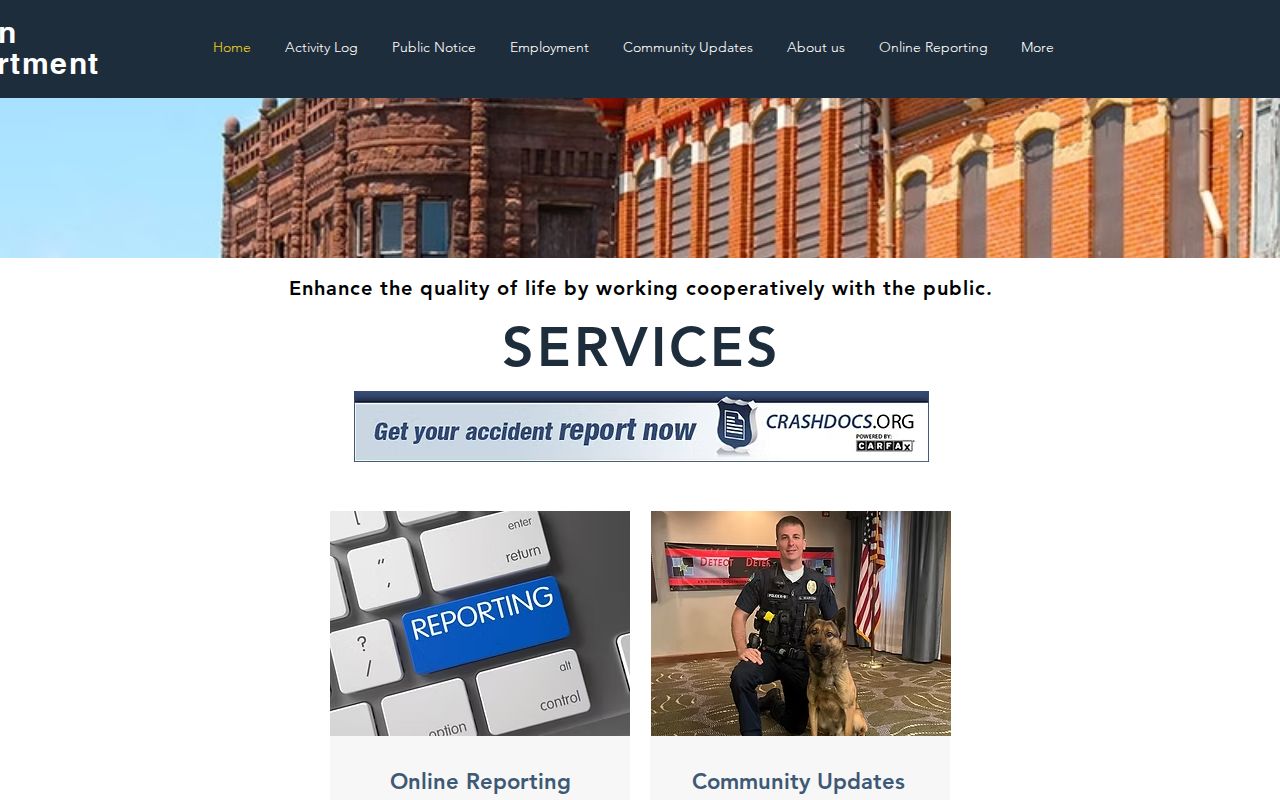
Lee North holds the filed Fort Madison case and publishes the court's directions.
The Donnellson Police page names local police plus the county dispatch fallback.
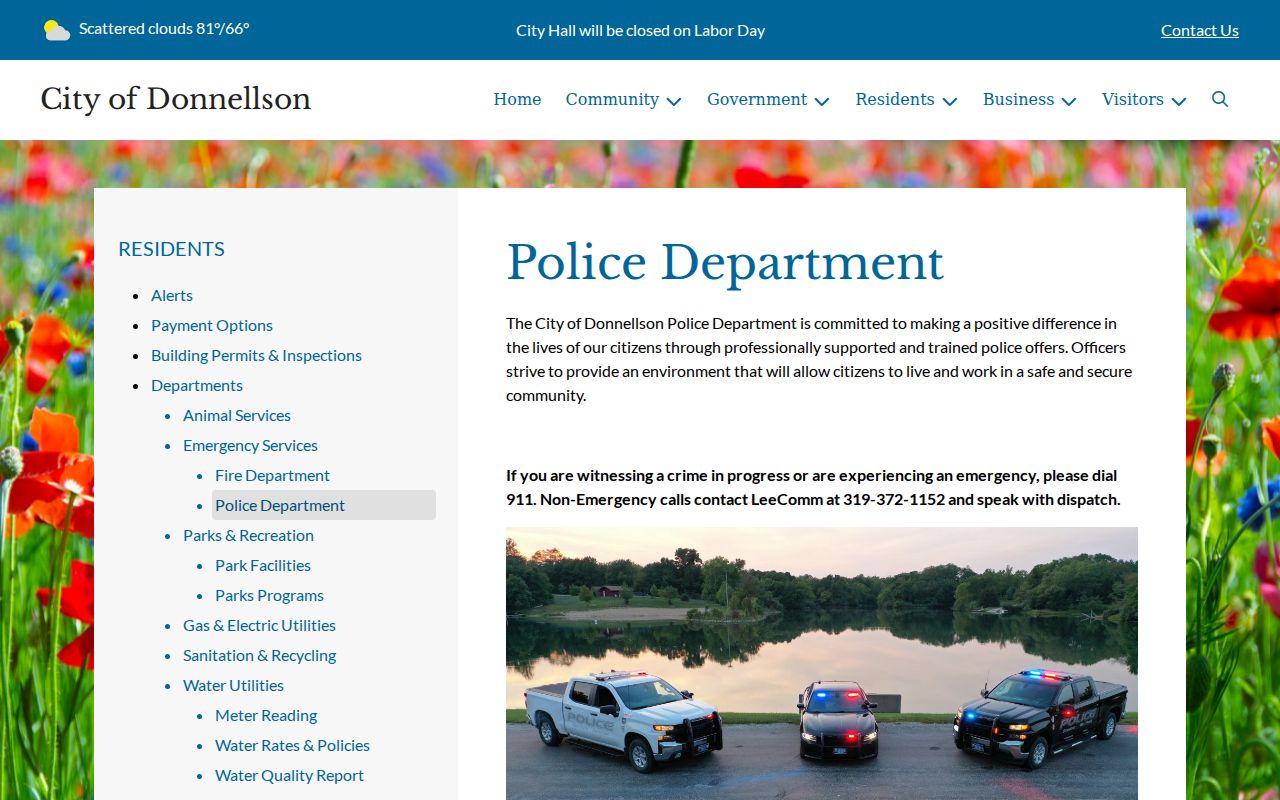
Keep your Lee County case number handy when an office transfers the call. Then ask which office must send the recall to the court once the matter is resolved.
Lee County Traffic Warrant Payment Effect
Paying an eligible traffic citation in Lee County can amount to a guilty plea, which resolves the matter differently from requesting a hearing. A payment may not touch a separate outstanding warrant until the court records a recall, so anyone who wants to contest the citation should check with the clerk or a lawyer first. A payment plan may exist for court debt, though Lee County publishes no warrant-specific payment plan or recall form. Ask three things before you rely on a plan: whether it changes the warrant, whether a personal appearance is still required, and which agency gets the status update. Keep the confirmation page, receipt, order, and next court date.
Traffic Warrant vs FTA and License Holds
A Lee County traffic warrant and an FTA event often travel together, but neither is a driving-history product. Lee County runs no license-hold program described on its pages, so don't infer a hold. Ask the clerk instead.
| Mechanism | Trigger | Effect |
|---|---|---|
| Traffic warrant | Court action after a traffic case event | Authorizes arrest on its terms. |
| Failure to appear | Missing a required appearance after service | Can produce an arrest warrant and FTA issue. |
| Court debt | Unpaid case amount | May enter collections, but is not automatically a warrant. |
| License action | Separate legal process | Must be verified from an official source for the case. |
A Lee County traffic warrant check sticks to court records and clearing instructions. It never covers insurance, points, or driving history.
Lee County Issuing Agency and Venue
Who wrote the ticket and which court holds the case are two different questions. A Fort Madison officer can supply agency facts, but Lee North keeps the judicial record. Keokuk police can identify their citation. Lee South explains the docket. For West Point, Donnellson, Montrose, or a rural stop, let the ticket and the online case decide the venue. Don't guess from a current address. In Lee County, the right clerk matters. If no case appears, ask the issuing agency whether the citation was transmitted, and have both Lee County clerks check the identifiers you have. Log who you called, the date, and the answer. That record protects you when a fresh filing is still moving between agency and court, and it helps prevent payment to the wrong case or trust in an unrelated name match.
Lee County Traffic Warrant Confirmation
Check any traffic-warrant result before you act on it. Compare the citation with the docket line by line: county, charge type, case or citation number, exact name, issuing agency, and venue. A mismatch means stop. Call the clerk. Ask whether an appearance was required, whether a failure-to-appear was entered, and whether the warrant remains active. Ask what the amount shown really is. Bond, a fine, and court debt are separate obligations, even when the entries sit together on one Lee County screen. After you pay or appear, get the date of the court action and the exact wording used for warrant status. "Paid" does not mean "recalled." A payment plan does not stop enforcement either. Confirm the clerk sent the change to the issuing agency and that the sheriff or police record updated. Keep the receipt, confirmation screen, filed order, and next court date together.
Watch for scam callers. Anyone demanding immediate payment to avoid arrest is no Lee County court. End the contact. Iowa's court scam warning is plain: courts do not demand money or Social Security numbers through threatening texts or calls. Find the clerk's number yourself on the Iowa Judicial Branch or Lee County government site. Never use a number from the message. If surrender may be required, call the Lee County jail before arriving. Ask about intake times, identification, property rules, bond amount and type, payment methods, and whether counsel can coordinate an appearance. No official Lee County source lists a traffic-specific walk-in clearing window. One careful call beats guessing.