
Active Warrants in Lee County
What does active actually mean? In Lee County, it means a warrant the court has not yet marked served, recalled, or quashed. The county runs no public sheriff database of these. So you rebuild the picture from the docket. Search Iowa Courts Online for the case first. Then ask the correct clerk for the newest event and its date. A warrant can stop being active while the case itself stays pending, and money can change hands without a recall order ever being entered. The reverse happens too, since a fresh or restricted warrant may not show up in a public result at all. That is why current status matters more than the mere presence of an older entry.
No Lee County Active Warrant Roster
Lee County posts no searchable active-warrant list. Its sheriff site and Online Resources page offer nothing to download either. Iowa Courts Online is a docket index, not a warrant roster. So the fallback is a phone chain in Lee County: Lee North at 319-372-3523, Lee South at 319-524-2433, the sheriff at 319-372-1152, the jail at 319-376-2355, and non-emergency dispatch at 319-372-1310. Each office can point a warrant question to the right desk.
Quick answer: Lee County publishes no complete official active-warrant list.
Use a case search to identify the venue, then confirm the latest status with the clerk and responsible law-enforcement office.
How the Lee County Active Warrant List Works
With no county roster, every check runs one case at a time through the docket. Search by Lee County, charge category, case or citation number, or name. Entries vary. You might see a required appearance, a failure to appear, a warrant or order, a transfer, an arrest, a return, bond, a recall, or a disposition. Dates matter. A later entry can replace an earlier one. One more limit exists. The public search cannot reach the restricted IOWA System, the operational network linking more than 450 Iowa criminal-justice agencies to state and national information. Officers use it, but the public cannot log in and self-search.
Lee County Active Warrant Clerk Check
Lee County runs one Iowa District Court, not two. Its locations are Lee North and Lee South. Venue decides which Lee County clerk reads the docket. Lee South serves the Keokuk side of Lee County at 25 North 7th Street, Suite 301. The Lee South clerk page publishes that court's contact and visitor information.

Ask the clerk point blank. Is the Lee County warrant active, which judicial officer or venue issued it, did it reach the issuing agency, and what court step is next? North-venue cases go to the Fort Madison clerk instead.
What an Active Warrant Shows
Lee County has no standard public warrant card. Even so, Iowa law and docket practice point to the core fields a reader should capture from the case record itself.
| Reference | Case or citation number; no local warrant-number pattern is published. |
|---|---|
| Reason | Original offense, probable-cause process, or failure-to-appear event. |
| Court | Lee North or Lee South venue and judicial action. |
| Bond | Warrant endorsement, court order, or later bond terms. |
| Status | Issued, transferred, served, returned, recalled, quashed, or disposed, when recorded. |
Lee County Active Warrant Status Events
Issued means a judicial officer signed the warrant into the record. In a failure-to-appear matter under Iowa Code section 805.5, the clerk takes the warrant plus the original or electronic citation and returns both to the issuing agency for enforcement. Served or executed means an officer carried it out. Returned covers the later routing back to court in Lee County. Recalled or quashed means the court withdrew or set the warrant aside.
- Active or outstanding
- Not shown as served, recalled, quashed, or cleared, subject to agency confirmation.
- Returned
- Sent back to court after service or another action.
- Disposition
- A later case outcome, which should be read with the warrant event rather than assumed to erase it.
Most-Wanted Lists and Warrant Roundups
The Lee County sheriff posts no most-wanted roster and runs no warrant roundup. The Lee County Crime Stoppers page takes anonymous tips about crimes and about where wanted people might be, but it is not the full active-warrant list. It lists 319-376-1090 and a P3 Tips route. Rewards are possible, with no fixed amount published. Posts there can move to social media without a stated refresh schedule. An omission says nothing about warrant status. Never approach a listed person. Use 911 only for immediate danger, and take personal warrant questions to the clerk and the Lee County law-enforcement chain.
Lee County Active Warrants and Court Debt
Paying court debt and clearing a Lee County warrant are different jobs, as the Iowa Judicial Branch's payment help makes plain. A payment can count as a guilty plea in some citation matters. An appearance-required case cannot end with money alone. A receipt never proves a recall. That order is a separate act. The official fine and case-search guidance walks through the public payment route and warns about posting delays.

Keep the confirmation after any allowed payment. Then ask the clerk for the warrant event, any recall order, and the next date, and check whether the Lee County issuing agency received the update.
Bond on Lee County Active Warrants
Iowa's uniform bond schedule applies to limited after-hours circumstances. It is not a promise. Forcible felonies and listed special offenses require judicial review instead, and a judicial officer can set different conditions under Iowa law in any Lee County case. The uniform bond schedule page identifies the schedule and its exceptions.
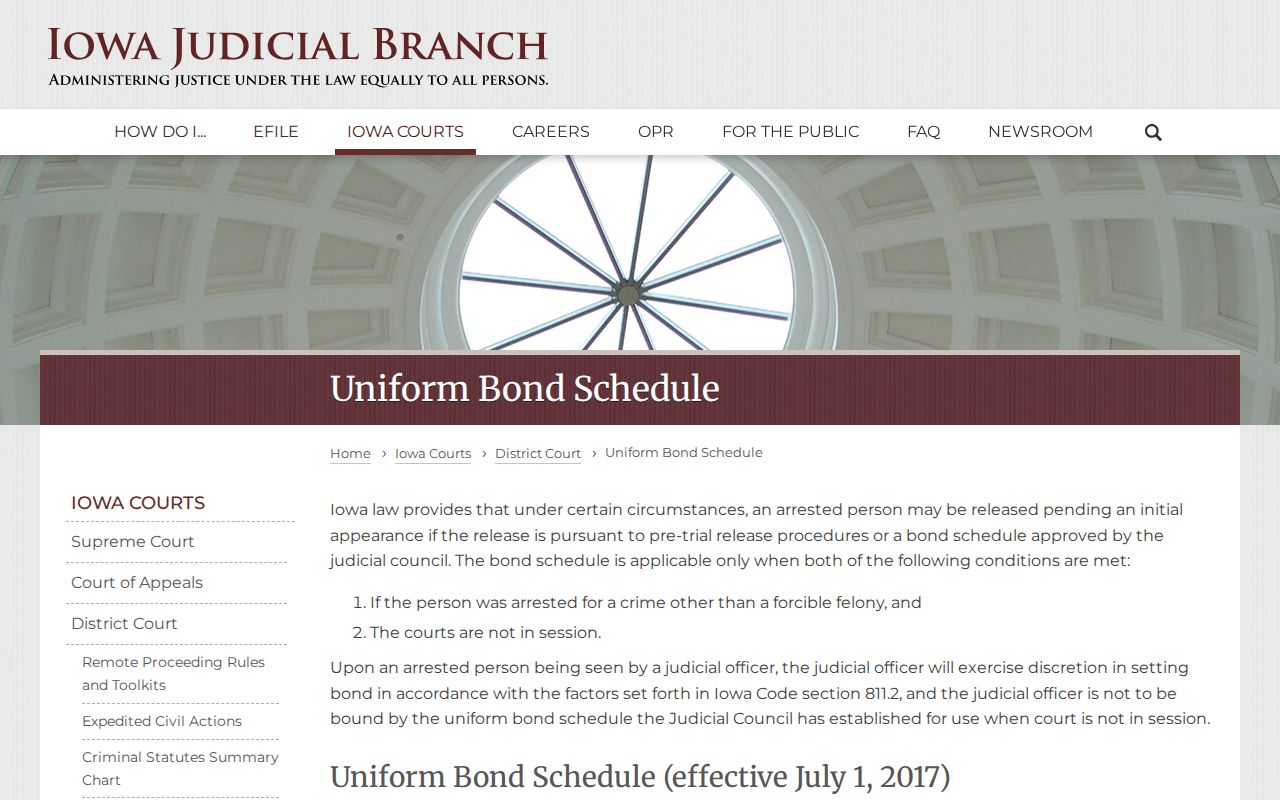
Need bond facts on a Lee County active warrant? Get the actual bond order from the clerk, then call the jail about accepted payment, hours, ID, and custody procedure. The sheriff site posts no Lee County online bond portal or bond-window details.
If Your Name Is on the List
A Lee County active warrant will not wait. Save the case number and call the issuing clerk. Ask what step fits: an appearance, a motion, a payment, bond, or something your lawyer coordinates. If told to surrender, call the jail first, because public sources state no intake hours or payment methods. Counsel can weigh recall, appearance, or a planned surrender.
Important: Confirm the active status and exact court instructions before appearing in person or relying on payment alone.
Done with the required step? Get the receipt or order, then confirm the later docket entry with both the clerk and the agency. In Lee County, a status change is real only once every office that uses the warrant record has the update.
Traffic Entries and Lee County Active Warrants
Lee County tickets take time. A new citation may take 10 to 14 days or longer to appear, especially after a weekend or holiday, and a required appearance still controls. The Judicial Branch traffic citation page documents the alternatives: online, clerk, mail, and phone payment. Payment does not end every case. Willful failure to appear can support an arrest warrant.
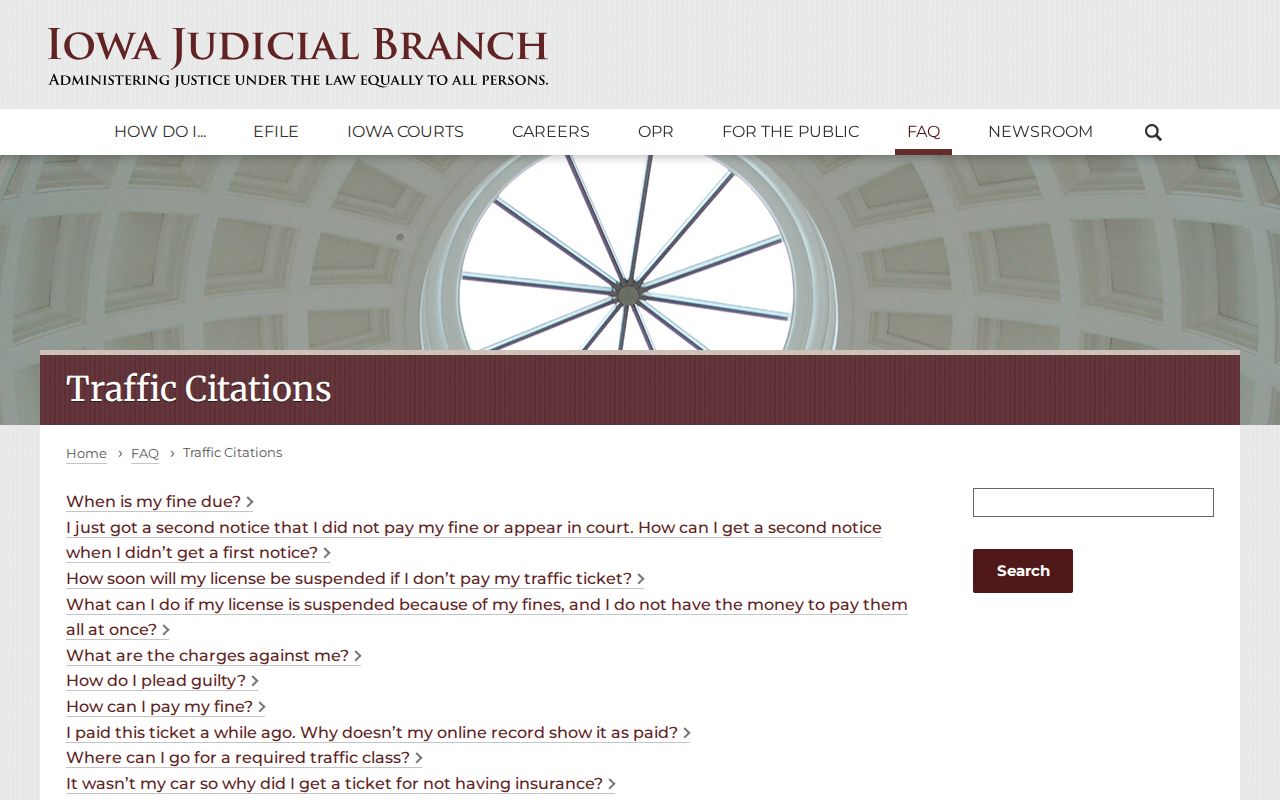
A missing traffic case or an FTA event is a reason to call the correct Lee County clerk. Ask about each item separately. Cover the debt, any required appearance, warrant status, any new date, and whether notice reached the issuing agency. Keep the citation number, the online confirmation, and the date of each call. The clerk may report a recall or a later order. Ask when it was entered. Find out whether the agency received it. The agency may still show an active warrant. Take that back to the clerk rather than assuming a payment receipt controls. Bound for the Montrose jail? Confirm intake and bond conditions first. Official Lee County material lists a jail number but promises no open warrant counter, after-hours surrender window, or set payment form. These Lee County checks also filter out scams. Verify any unexpected demand for prepaid money, personal data, or a texted payment link through the court directory.
Narrow Requests for Lee County Active Warrants
When a status call yields no document you can keep, the Lee County Sheriff's public-records form offers a defined route under Iowa Code chapter 22. A narrow request works best. Describe the record, name the case or citation if you have it, give an approximate date, and say whether you need current status, a warrant-related record, or an incident record. Skip the wide net. The Lee County sheriff posts no public warrant roster, and an undated request for every warrant is harder to answer than a focused one. Fees are set out plainly. The first 30 minutes of preparation are free. Additional staff time can be billed. Printed and faxed copies cost $1 per page. CDs, DVDs, and flash drives run $5 each. When email delivery is possible, the paper or media charge may be waived. Payment is due before release. Ordinary processing is described as within 10 business days. A confidentiality decision can take up to 20 calendar days, and a larger request can run longer.
Those Lee County timelines favor documentation over urgency. A records request is a poor tool for an immediate surrender or appearance decision. Need an answer now? Stay with the Lee County clerk and the enforcement agency. Iowa law can shield ongoing investigative material, criminal-identification files, juvenile records, and sealed matters. If material is withheld, request its written statutory basis. A partial release or a denial settles nothing about whether an active warrant exists. After a Lee County warrant is served, recalled, or quashed, compare the dated court order with the agency's current status. The point is not a public list. It is making sure the court record and the agency record describe the same present condition.
Lee County Active Warrant Agency Contact
The official Lee County Sheriff page is the place for the general office, jail, dispatch, and listed office hours. It offers no active-warrant list. Use it instead of stale third-party phone numbers. Then ask which office handles your specific enforcement or custody question in Lee County.